


काठमाडौं 70
June 17, 2026, Wednesday

Our Blogs

about london

about london

Effective blog content Key elements include catchy headlines, clear, scannable, and well-structured text (using headings/subheadings), compelling visuals (images, videos), and a strong call-to-action (CTA). Successful blogs often maintain a consistent, conversational tone, updated regularly in reverse chronological order. 

Key Aspects of Effective Blog Content

  • Content Types & Ideas:
    • Educational: How-to guides, tutorials, and tips.
    • Thought Leadership: Industry insights, opinions on trends, and overcoming common misconceptions.
    • Promotional: Case studies, company milestones, and product updates.
    • Personal/Relatable: Stories of failure/success, behind-the-scenes, or personal experiences.
  • Strategy & Optimization:
    • SEO: Incorporate relevant keywords to improve search engine rankings.
    • Consistency: Regularly update the blog to keep readers engaged and improve visibility.
    • Value-Driven: Focus on providing unique, high-quality, and useful information to the target audience.
  • Writing Tips:
    • Engaging Hooks: Start with a strong introduction to grab attention.
    • Personality: Let your unique voice shine to build connection.
    • Call to Action (CTA): End with a clear action for the reader to take. 
  • Structure & Formatting: Use clear headings, short paragraphs, and bullet points to enhance readability.
  • Essential Components:
    • Header: Captures attention immediately.
    • Main Content Area: The core text.
    • Sidebar & Footer: For navigation and related content.
    • Visuals: Utilize images, infographics, and videos to break up text.

This video explains how to structure your blog for maximum impact:
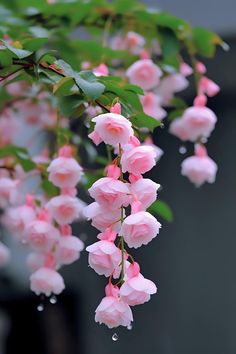
about rose flower

about rose flower

Roses are woody, perennial flowering plants of the genus Rosa (family Rosaceae), featuring over 300 species and thousands of cultivars known for their beauty, fragrance, and often, thorny stems. Native primarily to Asia, they range from compact to climbing types (up to 7m). They are deeply rooted in culture, symbolizing love and passion, and are used in perfumes, skin care, and tea. 

Key Facts About Roses:

Types & Varieties: They are classified into wild, old garden, and modern roses. They come in numerous colors, including white, red, pink, yellow, and orange.
Symbolism: Different colors carry different meanings: red (love/passion), white (purity), yellow (friendship/joy), and lavender (enchantment).
Usage: Beyond decoration, roses are used for rose oil, rose water, and edible rose hips, which are high in vitamin C.
Cultivation & Care: Roses thrive with at least 6 hours of direct sun, regular watering at the base (to avoid disease), and pruning.
History: Roses are ancient, with fossil evidence dating them to 35 million years ago and cultivation dating back 5,000 years in China. 
Popular Varieties:

Hybrid Teas: Large, well-formed blooms, often with one flower per stem.
Floribunda: Clusters of flowers, blooming repeatedly.
Climbers: Long, arching canes suitable for trellises. 
They are widely popular for cut flowers, with millions grown annually for occasions like Valentine's Day. 

Adipisicing doloremq

Adipisicing doloremq

Dolore nihil deserun.